
For more than a decade, the brands and agencies we work with have proven one thing over and over again: sustainability isn’t a trend. It’s the engine behind the most memorable and highest-performing brand activations. As market leader in interactive sustainable energy experiences, we’ve seen up close what truly works in the field, from EV launches to global concert tours like Coldplay’s Music of the Spheres Tour, and most recently their shows at Wembley Stadium.
Today’s audiences expect more. Brand activation managers, creative agencies, sustainable marketing teams, and event energy specialists are being asked not only to deliver an immersive experience, but one that aligns with measurable environmental values.
Below, we share the three sustainable marketing strategies that consistently deliver results, plus where the real innovation is heading in 2026.
1. Define Clear, Measurable Sustainability Goals
Why it matters:
Successful sustainable activations always begin with clarity. Brands that define specific sustainability outcomes energy generation, waste reduction, circular materials, carbon reporting, create more credible stories and more measurable impact.
What has worked for years:
Patagonia’s long-running Worn Wear program is a proven example of how circularity drives both environmental benefit and customer loyalty. The brands we work with have seen similar results when they set measurable KPIs before the activation even begins.
Where innovation goes in 2026:
Expect sustainability KPIs to become standard in pitches supported by real-time impact dashboards, automated carbon reporting, and third-party-verified measurements for every activation.
2. Integrate Tangible, Eco-Friendly & Energy-Generating Elements
Why it matters:
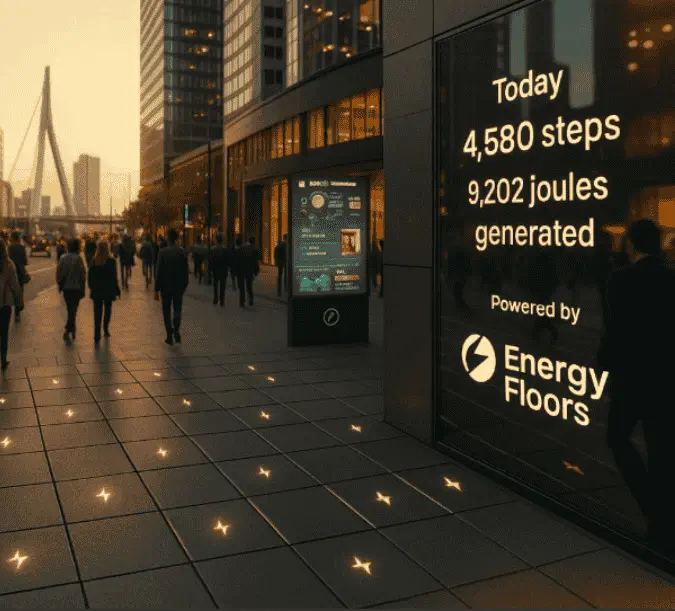
Audiences respond strongest to sustainability they can touch, feel, and influence. Sustainable materials are no longer enough brands want interactive sustainability that empowers participants.
What has worked for years:
From Toyota’s recyclable trade show booths to Jaguar’s EV launch featuring our kinetic energy floors, these tangible choices consistently elevate engagement and authenticity.
Our long-term collaboration with Coldplay is a powerful example: millions of footsteps generated clean electricity for the show, turning spectators into active contributors. During their recent performances at Wembley, audiences once again experienced firsthand how simple human movement can power moments of joy and connection.
Where innovation goes in 2026:
2026 will bring scalable micro-energy systems, motion-powered brand games, modular circular pop-up structures, and fully trackable “energy footprints” that brands can include in their sustainability reporting.
3. Lead With Purpose and Prove It With Action
Why it matters:
Purpose is no longer communicated; it is demonstrated. Audiences trust brands that show measurable effort toward social and environmental values.
What has worked for years:
Ben & Jerry’s illustrates how consistency in purpose builds loyalty. We see the same with brands that integrate sustainability authentically into their activities. Not as a theme, but as a core layer of the experience.
Where innovation goes in 2026:
Expect activations where audiences can visualize impact in real time energy generated, emissions avoided, materials saved and share that impact instantly on social channels.
Key Takeaway
Sustainable marketing strategies for brand activations aren’t an add-on they are the new standard of excellence. By setting clear sustainability goals, integrating tangible eco-friendly and energy-generating elements, and authentically living your brand purpose, you create experiences that resonate deeply and deliver measurable value.
At Energy Floors, we help brands transform sustainability from a message into an experience. Our kinetic floors and interactive energy installations have powered everything from EV launches to global concert tours, proving that engagement and environmental impact can go hand in hand.
Small Steps, Big Impact
Kinetic energy floors won’t power entire stadiums, but they do spark awareness, shift behaviour, and turn audiences into active participants in a brand’s sustainability story. Every step is a reminder that collective action however small creates real, measurable change.