Behind the scenes of Coldplay’s sustainable tour
Interview with Edwin van Eekhout from Energy Floors
1 Oct, 2025
Coldplay’s Music of the Spheres World Tour has been as much about sustainability as it has been about music. Kicking off in March 2022 in San José, Costa Rica, the tour spans 223 nights in 80 cities across 43 countries, with the sense that the adventure is still unfolding. It marks the band’s return to live performances following the COVID-19 pandemic, with a strong focus on reducing environmental impact. Fans across Asia, Europe, North and South America, and Oceania have been invited to actively participate in powering parts of the show using Energy Floors’ kinetic dance floors. The kinetic floors convert movement into electricity, giving audiences a tangible connection to renewable energy while supporting Coldplay’s ambitious sustainability goals. We spoke with Edwin van Eekhout, an Energy Floors colleague who also serves as Head of Department Energy Zone in the production team, to hear about his experiences managing the floors, the challenges of the tour, and the moments that make the work so rewarding.
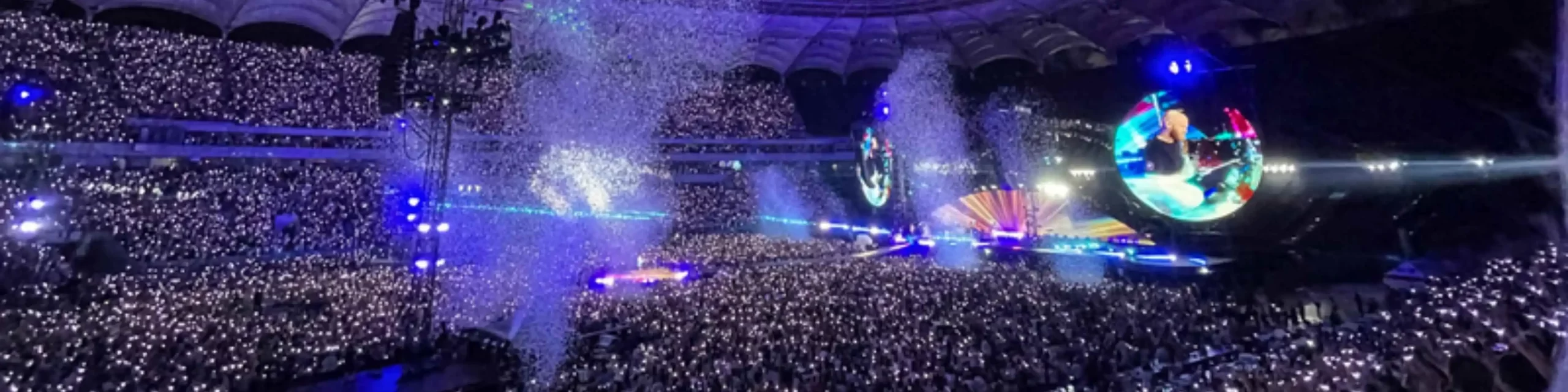
The Music of the Spheres World Tour is one of the largest live music events ever and a model for sustainable touring. Critically acclaimed for its production, stage presence, and fan engagement, it has grossed $1.38 billion from 12.3 million tickets, making it the most-attended tour of all time and the first by a band to surpass $1 billion in revenue. Beyond entertainment, the tour has implemented innovative sustainability measures, such as portable rechargeable show batteries, planting a tree for every ticket sold, and sourcing locally produced plant-based catering.
Can you briefly describe your role with Energy Floors on Coldplay’s tour?
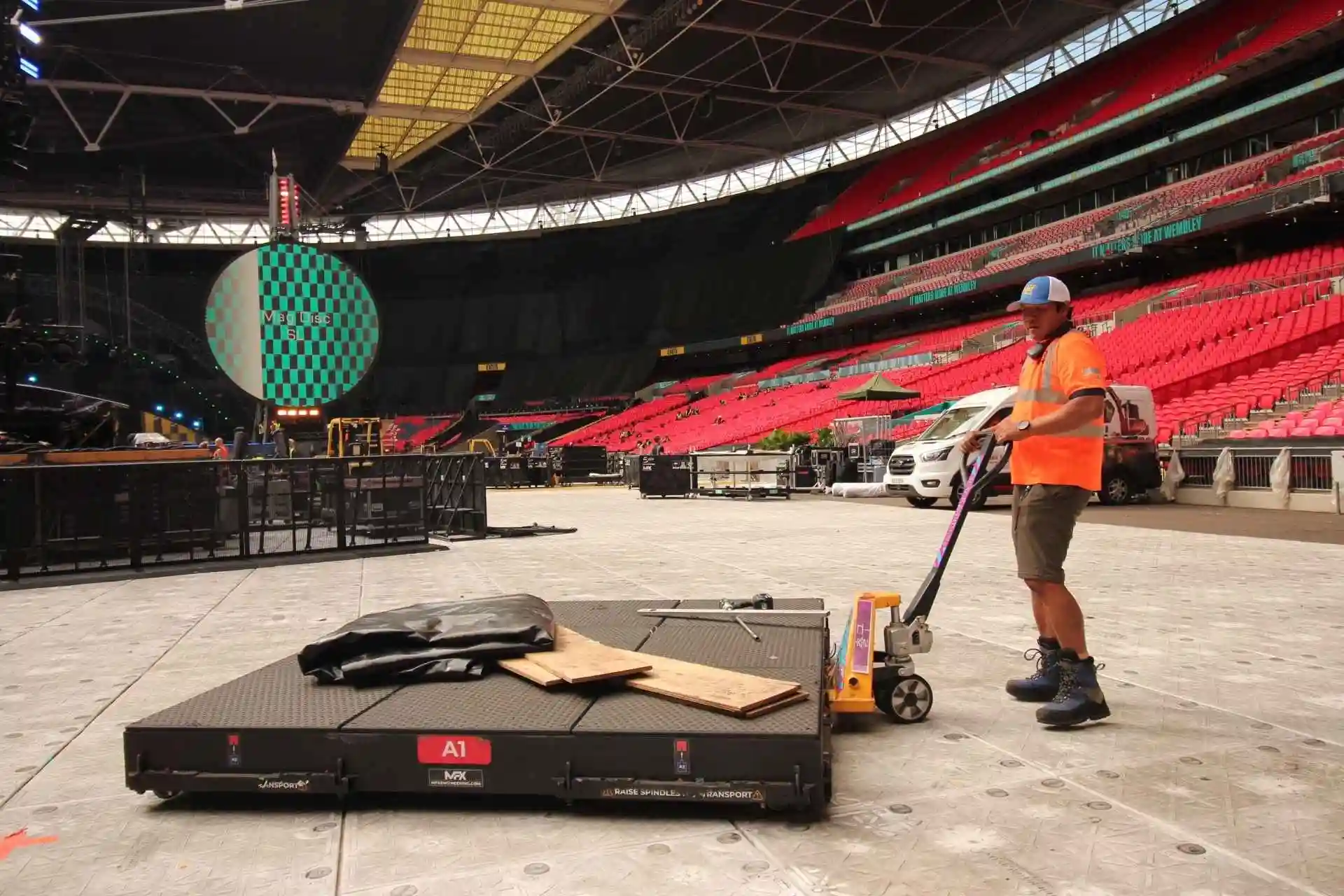
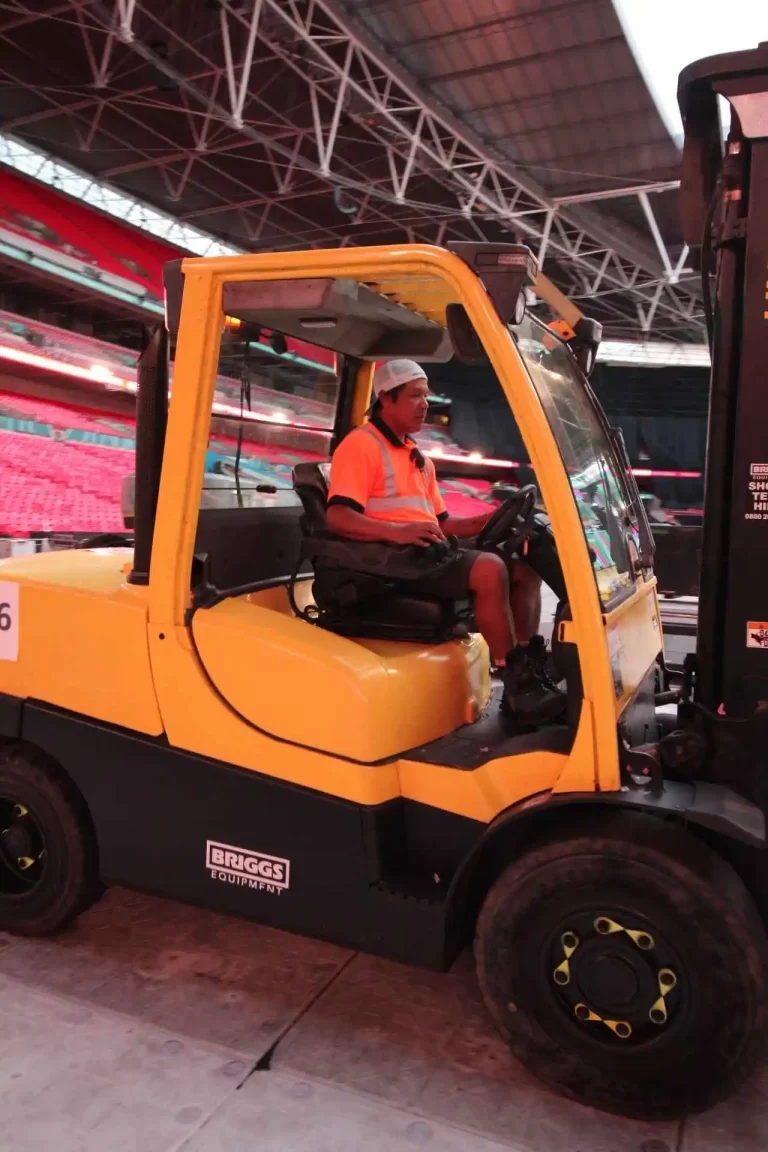
Edwin: My main responsibility is operating the kinetic floors, from setup to teardown, at every show. My work involves assembling the floors, ensuring they function flawlessly during the performance, and then packing them for transport to the next city. I’ve been part of this tour since March 2022 and attend every single show, which means I’m deeply involved in logistical planning, the setup, and live operations. Being on the road for months, moving from city to city, offers a unique perspective on how large-scale tours operate behind the scenes.
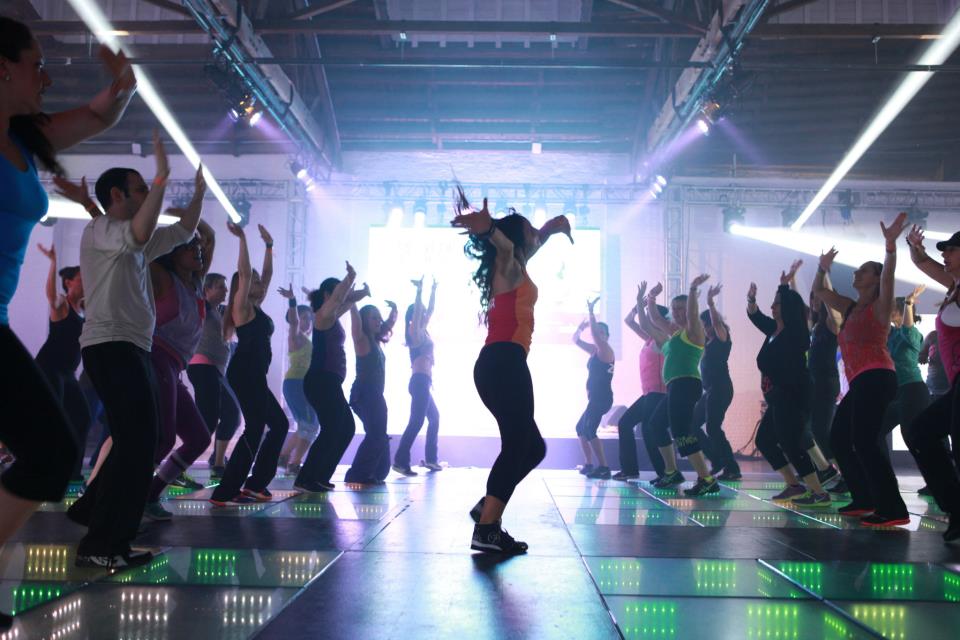
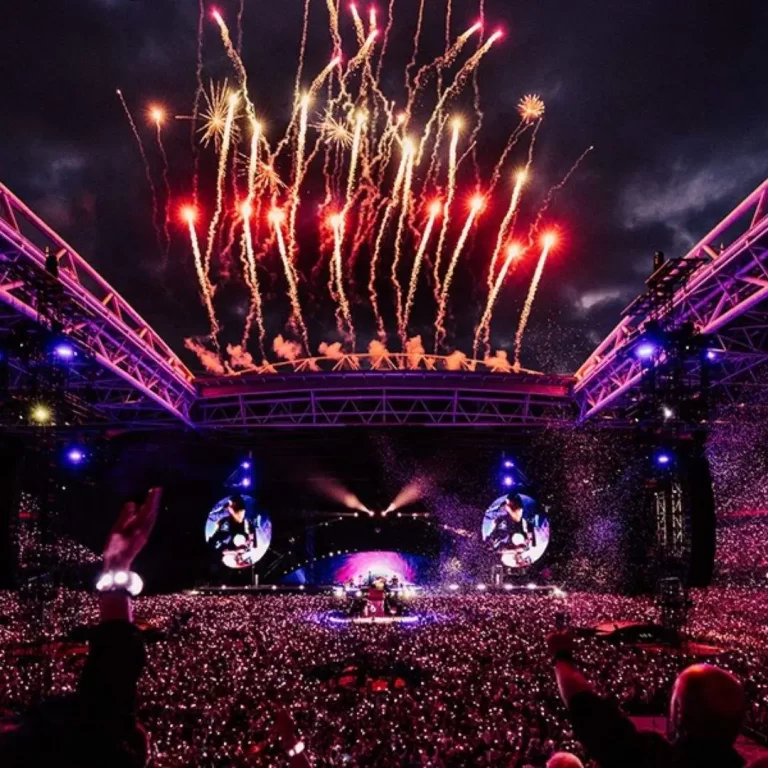
Part of the tour’s sustainability efforts involves kinetic dance floors developed by Energy Floors, that convert fan movement into electricity in real time. The floors allow audiences to become active contributors to the show’s energy, creating a tangible connection between their presence and renewable power. By 2025, the Wembley Stadium residency became one of the most high-profile and fully integrated showcases of the tour’s renewable energy mix, powered by a combination of solar, wind, and kinetic energy, following similar integrations at earlier venues.
How do fans usually react when they realize the floors generate energy?
Edwin: Reactions vary from country to country. In the US, fans tend to be shy at first, they’re curious and ask questions about the floors before stepping onto them. Once they understand that they’re helping generate electricity, they eagerly join in. In other regions, like parts of Asia, South America, and Europe, the response tends to be much more energetic. Fans rush to the floors, cheer, and want to be part of the action. Even from our position at the back of the stage, where we operate the floors, you can feel the excitement ripple through the crowd.
How much energy is generated by the floors per show?
Edwin: On average, each floor generates between 200,000 and 250,000 joules over the course of roughly three hours, depending on crowd size and activity level. It’s incredible to see how much energy fans can produce just by dancing and moving around. Across the entire tour, this adds up to a substantial contribution to the show’s sustainability footprint. While the figures fluctuate slightly from city to city, the overall impact is impressive and a testament to the fans’ engagement.
Are there any technical innovations or challenges, especially for large venues like Wembley?
Edwin: Every venue presents its own challenges. Transporting the floors across continents requires meticulous planning (flights for Asia, trucks for South America) and making sure everything fits and arrives on time is always a task. Technical issues are inevitable; but we carry all the necessary tools and spare parts to handle repairs on site, and any missing components can be ordered quickly.
Can you share a memorable or challenging story from the tour?
Edwin: One memorable incident happened when two floors got lost in transit from Taiwan to the US, they were mistakenly rerouted to Singapore. I got a call from the transport company, and it was tense, but luckily they arrived on time. Another challenging moment was when a flight from Taiwan to Jakarta couldn’t take off, delaying the schedule by six hours. The entire crew worked through the night, from 1 a.m. to 5 a.m., to ensure everything was ready for the show the following day. Despite the stress and exhaustion, it’s moments like these that make the successful execution of a show incredibly rewarding.
How did you come to join this Coldplay tour, and what makes it special for you?
Edwin: I’ve been working with bands and musicians on tours for many years, and thought I was done with this type of work back in 2017. But when I heard about Coldplay’s tour, I knew I wanted to be part of it. This project feels different, it’s a full sustainability package, and I feel proud to contribute to something that’s setting a new standard for the industry. It’s a clear example for other artists and brands of how concerts can be both exciting and environmentally responsible. Being part of a tour like this proves that live music can innovate while raising awareness about sustainability.
Looking ahead, what excites you about future tours or projects with Energy Floors?
Edwin: Tours like this inspire me because they show what’s possible when sustainability is embedded into the live music experience. Many fans and industry professionals approach me with questions about the floors, which shows growing interest in this approach. Seeing how a well-executed sustainability project can engage fans and influence the music industry is motivating, I’m confident this kind of tour will become more common in the years ahead.
What’s the most rewarding part of your work on the tour?
Edwin: The most rewarding part is seeing the joy on fans’ faces. Many arrive hours early, waiting in the cold or rain, and stand for hours before the doors open. When the show finally begins, they forget all their discomfort and just enjoy the music. Knowing that we’ve helped create that moment of happiness is why I do this work. It’s not just about managing equipment, it’s about bringing people together and enhancing their concert experience in a meaningful way.
Edwin’s story highlights the transformative potential of the Coldplay Music of the Spheres World Tour. By partnering with Energy Floors, incorporating kinetic dance floors and stationary bikes into every show, , the tour demonstrates that concerts can be powerful platforms for sustainability. From fan engagement to logistical innovation, this tour sets a benchmark for how live music and environmental responsibility can go hand in hand. Edwin’s pride in contributing to a project that is reshaping the industry shows that sustainable touring isn’t just an idea, it’s a movement, and one that will continue to grow in the future.
Curious to see how your movement can create real impact? Contact us to discover more about Energy Floors and explore how interactive kinetic energy is powering concerts, events, and a sustainable future.